

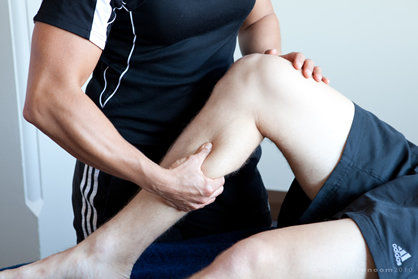
Clinical Massage Therapy for Pain, Injury Recovery, and Mobility
Clinical massage therapy is a specialized form of hands-on treatment designed not just for relaxation, but for addressing specific physical conditions keepyoungmassage.com such as chronic pain, sports injuries, muscle tension, and reduced mobility. Unlike spa-style massage, clinical massage is goal-oriented, focusing on improving function, restoring movement, and supporting the body’s natural healing processes.
Understanding Clinical Massage Therapy
Clinical massage therapy combines multiple evidence-informed techniques tailored to a patient’s condition. Therapists often assess posture, movement patterns, and areas of pain before beginning treatment. The goal is to identify the root cause of discomfort rather than only treating surface-level symptoms.
This type of therapy is commonly used for conditions such as:
- Lower back and neck pain
- Shoulder stiffness and joint restriction
- Sports-related injuries
- Post-surgical recovery support
- Muscle imbalances caused by poor posture or repetitive strain
By working directly on soft tissues such as muscles, tendons, and fascia, clinical massage helps reduce tension and improve circulation in targeted areas.
Pain Management and Relief
One of the primary benefits of clinical massage therapy is pain relief. Chronic pain often develops when muscles remain tight or overworked for long periods. This tension can compress nerves and restrict blood flow, making discomfort worse over time.
Through controlled pressure and specific manual techniques, therapists help release these tight areas, allowing muscles to relax. As circulation improves, oxygen and nutrients reach damaged tissues more efficiently, supporting natural recovery.
Many patients report reduced pain levels after consistent sessions, especially when therapy is combined with stretching and rehabilitation exercises.
Injury Recovery Support
Clinical massage plays an important role in injury rehabilitation. After an injury, scar tissue can form, which may limit flexibility and cause stiffness. Massage techniques help break down adhesions in the soft tissue, encouraging better alignment and mobility.
For sports injuries, therapy can also help:
- Speed up muscle recovery after strain or overuse
- Reduce inflammation in affected areas
- Restore normal range of motion
- Prevent future injuries by improving muscle balance
This makes clinical massage a valuable complement to physiotherapy and medical treatment plans.
Improving Mobility and Flexibility
Reduced mobility can significantly affect daily life, making simple movements uncomfortable. Clinical massage targets the muscles and connective tissues responsible for movement restrictions.
Regular sessions help:
- Increase joint flexibility
- Improve posture and alignment
- Loosen tight muscle groups
- Enhance overall physical performance
Over time, patients often notice smoother movement patterns and less stiffness, especially in the neck, shoulders, and lower back.
A Personalized Approach to Healing
Every treatment session in clinical massage therapy is tailored to the individual. Therapists adjust pressure, techniques, and focus areas depending on the patient’s condition and comfort level. This personalized approach ensures safer and more effective outcomes.
In many cases, therapists also provide aftercare advice, including stretching routines, hydration guidance, and posture correction tips to extend the benefits of each session.
Conclusion
Clinical massage therapy is more than a relaxing experience—it is a structured, therapeutic approach to managing pain, supporting injury recovery, and improving mobility. By addressing the root causes of physical discomfort and promoting natural healing, it plays a powerful role in long-term health and wellness.