

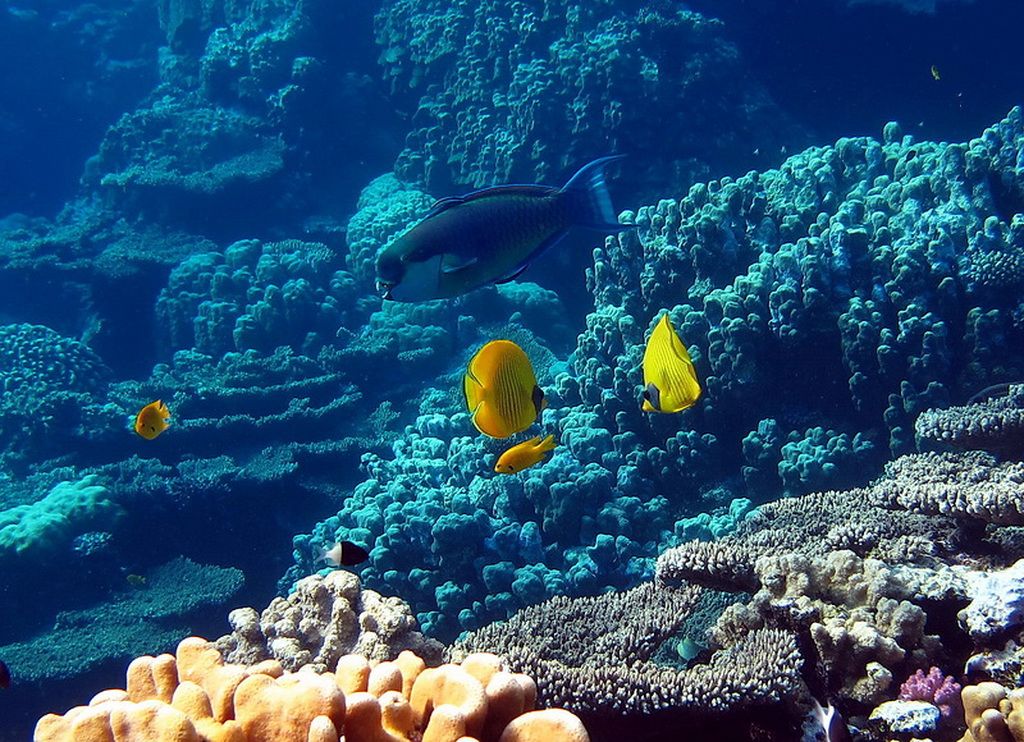
Vibrant Cities of the Sea: Exploring Hawaii’s Coral Fish Habitats
Hawaii’s coral reefs are not just underwater rock formations; they are the bustling metropolises of the Pacific. These delicate ecosystems provide shelter, food, and breeding grounds for over 1,200 species of fish, nearly 25% of which are endemic—found nowhere else on Earth. Understanding these habitats is key to appreciating the “Aloha spirit” that extends beneath the waves.
The Architecture of the Reef
The foundation of these habitats is the living coral colony. In Hawaii, species like Lobe Coral and Finger Coral create intricate 3D structures. These formations act as high-rise apartments for reef fish. Small, colorful species like the Damselfish dart into coralfishhawaii.com narrow crevices to escape predators, while larger predators like the Whitetip Reef Shark cruise the deeper ledges and overhangs. The complexity of the reef architecture directly determines the biodiversity of the area; the more “nooks and crannies” available, the more life the habitat can support.
A Colorful Hierarchy of Residents
The inhabitants of Hawaii’s reefs are organized by their roles in the ecosystem. The Herbivores, such as the iconic Humuhumunukunukuapuaʻa (Reef Triggerfish) and various Surgeonfish, are the reef’s “gardeners.” They spend their days grazing on algae, preventing it from overgrowing and suffocating the living coral.
In the mid-water columns, you’ll find Planktivores like the Milletseed Butterflyfish, which form shimmering clouds as they feed on microscopic organisms drifting in the current. Finally, the Carnivores—including Moray Eels and Bluefin Trevally—maintain the balance of the population, ensuring that only the healthiest fish survive to reproduce.
Challenges to the Underwater Paradise
Despite their beauty, Hawaii’s coral habitats face significant threats. Coral bleaching, driven by rising ocean temperatures, strips the reef of its color and its ability to provide food. Additionally, land-based runoff and overfishing disrupt the delicate balance between algae and coral. When the “gardeners” (herbivorous fish) are removed, the habitat can quickly transform from a vibrant coral garden into an algae-smothered wasteland.
Conservation and the Path Forward
Protecting these habitats is a priority for both locals and scientists. Through the establishment of Marine Life Conservation Districts (MLCDs), such as Hanauma Bay on Oahu or Molokini Crater off Maui, Hawaii has seen a resurgence in fish populations. By practicing responsible snorkeling—using reef-safe sunscreen and never touching the coral—visitors can help preserve these “cities of the sea” for generations to come.
Hawaii’s coral fish habitats are a testament to nature’s ingenuity. They are fragile, breathtaking, and essential to the health of our planet’s oceans.
Would you like to focus on a specific island’s reef system or perhaps a detailed list of endemic species found in these waters?